
As a data engineer working on the President’s Emergency Plan for AIDS Relief (PEPFAR), I’ve spent years building systems to track, analyze, and optimize the delivery of life-saving HIV/AIDS treatments to millions of people across the globe. My work has been driven by the belief that data, when used effectively, can save lives. But today, I find myself grappling with a harsh reality: the very programs that have transformed the global HIV/AIDS response are now under threat due to the recent USAID funding freeze. This decision, driven by the new U.S. administration, has sent shockwaves through the global health community, and its implications are far-reaching.
The Context: What’s Happening?
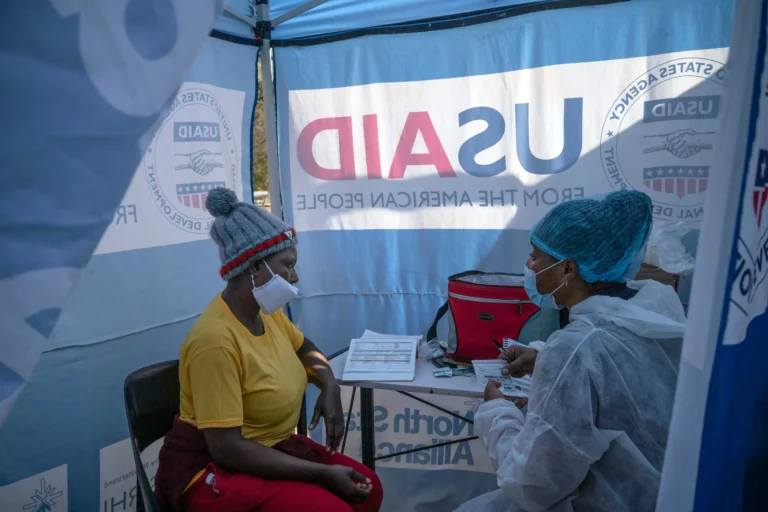
On January 20, 2025, President Trump issued an executive order to reevaluate and realign U.S. foreign assistance programs. This was followed by a State Department directive on January 24, which mandated a blanket pause on all foreign assistance programs, including PEPFAR. The directive, which includes “Stop Work Orders” (SWOs), has effectively frozen all new funding obligations and suspended ongoing activities. While the freeze is intended to last for 90 days pending a review, the immediate halt has already disrupted critical health programs in countries like Uganda, where PEPFAR has been a cornerstone of the HIV/AIDS response.
For context, PEPFAR is one of the most successful global health initiatives in history. Since its inception in 2003, it has provided antiretroviral therapy (ART) to over 20.6 million people, prevented millions of HIV infections, and saved an estimated 26 million lives. It’s a program that has enjoyed bipartisan support for decades, making the current freeze all the more surprising and concerning.
The Immediate Impact: A Data-Driven Perspective
From my vantage point as a data engineer, the freeze is not just a policy decision—it’s a disruption to the intricate systems that keep these programs running. Here’s what’s at stake:
-
Disruption to Treatment Programs: PEPFAR supports over 1.4 million people living with HIV in Uganda alone. The freeze threatens to interrupt the supply of antiretroviral drugs, which are essential for keeping patients virally suppressed. Viral suppression not only improves individual health outcomes but also reduces the risk of transmission, a key strategy in ending the HIV epidemic by 2030. Any interruption in treatment could lead to drug resistance, increased transmission rates, and a reversal of the progress made over the past two decades.
-
Data Gaps and System Breakdowns: PEPFAR relies heavily on data systems to monitor patient outcomes, track drug distribution, and allocate resources efficiently. The freeze could lead to gaps in data collection and reporting, making it difficult to assess the program’s impact and adjust strategies in real-time. For example, if health facilities run out of drugs, patients may stop coming for treatment, and their data will no longer be captured. This creates a vicious cycle where the lack of data makes it harder to advocate for renewed funding.
-
Vulnerable Populations at Risk: The freeze disproportionately affects marginalized groups, including women, children, and key populations like sex workers and men who have sex with men. These groups often face barriers to accessing healthcare, and PEPFAR has been instrumental in bridging that gap. Without sustained funding, these populations are likely to fall through the cracks, exacerbating health disparities.
-
Economic and Social Consequences: Beyond health, PEPFAR has broader economic and social benefits. Healthy individuals are more productive, children who receive treatment can attend school, and families are less burdened by healthcare costs. The freeze could undermine these gains, setting back development progress in African countries.
The Bigger Picture: What Does This Mean for Global Health?
The USAID funding freeze is part of a broader trend of shifting priorities in U.S. foreign assistance. While it’s true that foreign aid programs should be periodically reviewed for efficiency and effectiveness, the abrupt nature of this freeze is deeply problematic. Here’s why:
-
Loss of Trust: PEPFAR has built strong partnerships with governments, NGOs, and communities over the years. The sudden freeze undermines trust in the U.S. as a reliable partner, making it harder to rebuild these relationships in the future.
-
Brain Drain: The freeze could lead to a loss of skilled workers, both within USAID and among its implementing partners. Many of these individuals have years of experience and institutional knowledge that cannot be easily replaced.
-
Global Health Security: HIV/AIDS is not just a health issue—it’s a global security issue. The spread of infectious diseases knows no borders, and a weakened HIV response could have ripple effects on other health priorities, including pandemic preparedness.
What Can Be Done?
While the situation is dire, there are steps that can be taken to mitigate the impact of the freeze:
-
Advocacy and Awareness: It’s crucial to raise awareness about the consequences of the freeze and advocate for exemptions for programs like PEPFAR. Policymakers need to understand that this is not just about funding—it’s about lives.
-
Diversified Funding Sources: There’s a need for diversified funding sources. This includes increased domestic investment in health and greater involvement from other international donors.
-
Scenario Planning: Organizations working on PEPFAR should engage in scenario planning to prepare for different outcomes. This includes identifying alternative funding streams, optimizing existing resources, and ensuring data systems remain functional even in the face of disruptions.
Final Thoughts: A Call to Action
As a data engineer, I’ve always believed in the power of data to drive decisions and create positive change. But data alone is not enough—it requires political will, sustained investment, and a commitment to equity. The USAID funding freeze is a stark reminder of how fragile these systems are and how quickly progress can be undone.
To those in positions of power, I urge you to consider the human cost of this decision. PEPFAR is not just a line item in a budget—it’s a lifeline for millions of people. To my colleagues in the global health community, I say this: now is the time to come together, advocate fiercely, and ensure that the gains we’ve made are not lost.
The road ahead is uncertain, but if there’s one thing I’ve learned from working on PEPFAR, it’s that resilience and collaboration can overcome even the greatest challenges. Let’s not let this freeze define our future—let’s use it as a catalyst for stronger, more sustainable systems that can withstand the test of time.
About the Author:
Henry Wandera is a data engineer with a Master’s degree in IT, specializing in Big Data Science, and over a year of hands-on experience working on the PEPFAR project at Broad Reach Health Development. With a deep passion for leveraging data to drive meaningful impact, Henry Wandera has dedicated their career to transforming complex health data into actionable insights that improve lives. Broad Reach’s work on PEPFAR has been both professionally fulfilling and personally inspiring, as they contribute to a mission that ensures no one is left behind in the global fight against HIV/AIDS.